Most people building an AI agent hit the same wall. The thing works, users like it, and then the bill for all those model calls shows up. That gap between a popular agent and a profitable one is where 2026 gets interesting.
The old software playbook does not carry over cleanly here. A seat license assumes near-zero cost per user, but an autonomous agent burns real money on every task it runs. So the question stops being whether to charge and becomes what exactly you charge for.
As of 2026, this guide walks through six AI agent monetization strategies, from affiliate links to agentic commerce, and how to match one to what you actually built.
- AI products run 50-60% gross margins versus 80-90% for classic SaaS
- Subscription is still the most common model overall
- Hybrid pricing (base plus usage or outcome) is the emerging default
- Affiliate links need no billing relationship and fit content sites best
Ask ChatGPT to summarize the full text automatically.
Why Is Monetizing an AI Agent Harder Than Regular Software?
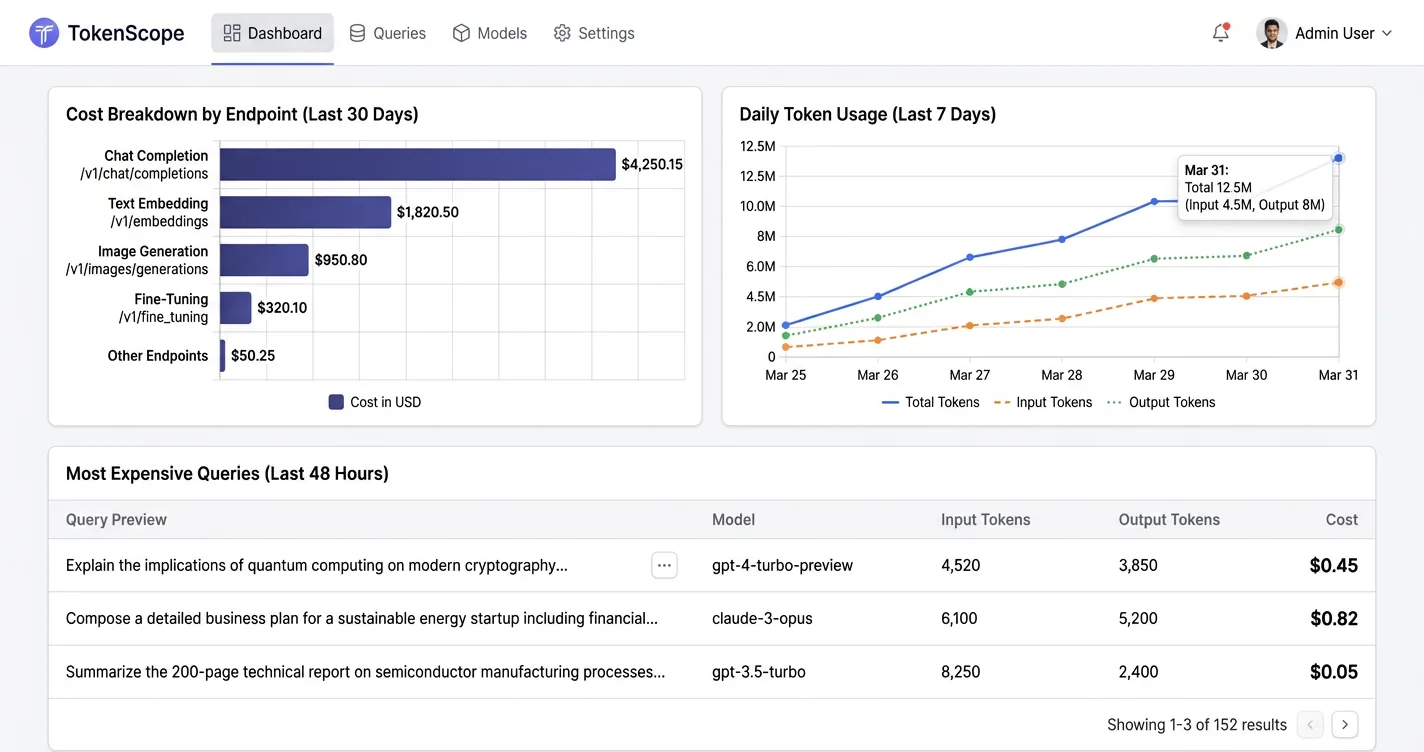
Traditional software makes money because copies are almost free to serve. Once the code is written, one more user costs the company close to nothing, which is how SaaS holds 80-90% gross margins. An AI agent breaks that math in a fundamental way. Every message it answers spends real tokens against a model provider, so serving a heavy user genuinely costs more than serving a light one.
That is why flat per-seat pricing quietly loses money on your best customers. The power user who runs the agent all day is the same person a fixed monthly fee undercharges the most. AI products land around 50-60% gross margins as a result, a gap Bessemer’s pricing playbook states plainly: “Companies see 50-60% gross margins vs. 80-90% for SaaS.” a16z describes the same shift, noting that “Software is becoming labor” as AI turns service work into scalable software.
The core job, then, is picking a metric that tracks the value your agent creates. The rest of this article covers six of them, so you can see which fits.
| Factor | Traditional SaaS | AI Agent |
|---|---|---|
| Cost per extra user | Near zero | Real inference cost |
| Typical gross margin | 80-90% | 50-60% |
| Best fit for flat seats | Strong | Weak on power users |
How Do Affiliate and Commission Models Work for AI Agents?
The most accessible model does not charge your user at all. The agent recommends a real product or service, the reader clicks through, and you earn a commission when they buy, with the retailer closing the sale. You never touch the payment, so there is no billing relationship to build and no checkout to run.
This approach is looking more durable than processing transactions yourself. OpenAI pulled back from native in-chat checkout in March 2026 and returned to a referral and redirect flow, which reads as a vote for sending the click and taking the commission. Chat sits mid-funnel anyway, and the actual purchase still tends to close on Amazon or a merchant site.
For content sites and consumer chat, this fits naturally because it monetizes intent that is already in the conversation. In-line affiliate links are the low-friction entry point, and with a tool like ChatAds the publisher keeps the full commission. The chat below shows how a link appears only when it genuinely helps.
ChatAds reads the AI's replies, spots real product intent, and drops in a tracked affiliate link only when one fits. It stays quiet when nothing belongs, and you keep 100% of the commission. See how ChatAds adds affiliate links to AI chatbots for the full rundown.
Can You Put Ads Inside an AI Agent?
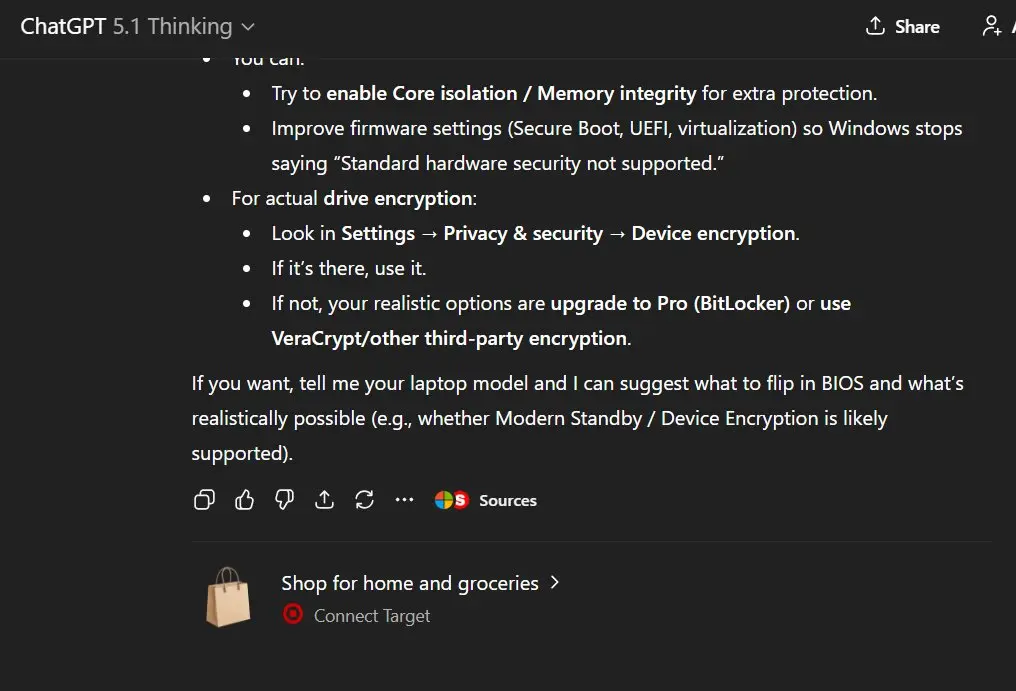
Advertising is the other someone-else-pays model, and 2026 has two live experiments pulling in opposite directions. OpenAI began testing clearly labeled ads at the bottom of answers for free and Go users in February 2026, stressing that “Ads do not influence the answers ChatGPT gives you, and we keep your conversations with ChatGPT private from advertisers.” Perplexity went the other way, trying sponsored follow-up questions in late 2024 and then killing the program over worry that readers would start doubting every answer.
Conversational ads are hard for reasons that go past taste. Chat is mid-funnel, so display and search formats do not transfer well, and startups like Koah are still inventing CPC, CPM, and blended models built for chat. The whole thing runs on trust, which means ad load has to stay light or it poisons the assistant’s credibility.
Ads also reward scale more than any other model here, a dynamic covered in our breakdown of AI chatbot ad revenue. A handful of sponsored slots pays real money only across millions of sessions, so this route favors high-traffic products over niche agents. If your audience is small, the affiliate path usually earns more per conversation.
- Keep load light: one clearly labeled placement beats several buried ones
- Protect trust: a doubted assistant loses the audience that made it valuable
- Check your scale: ad revenue needs volume, so small agents rarely clear much
What About Charging Users With Subscriptions and Usage-Based Pricing?
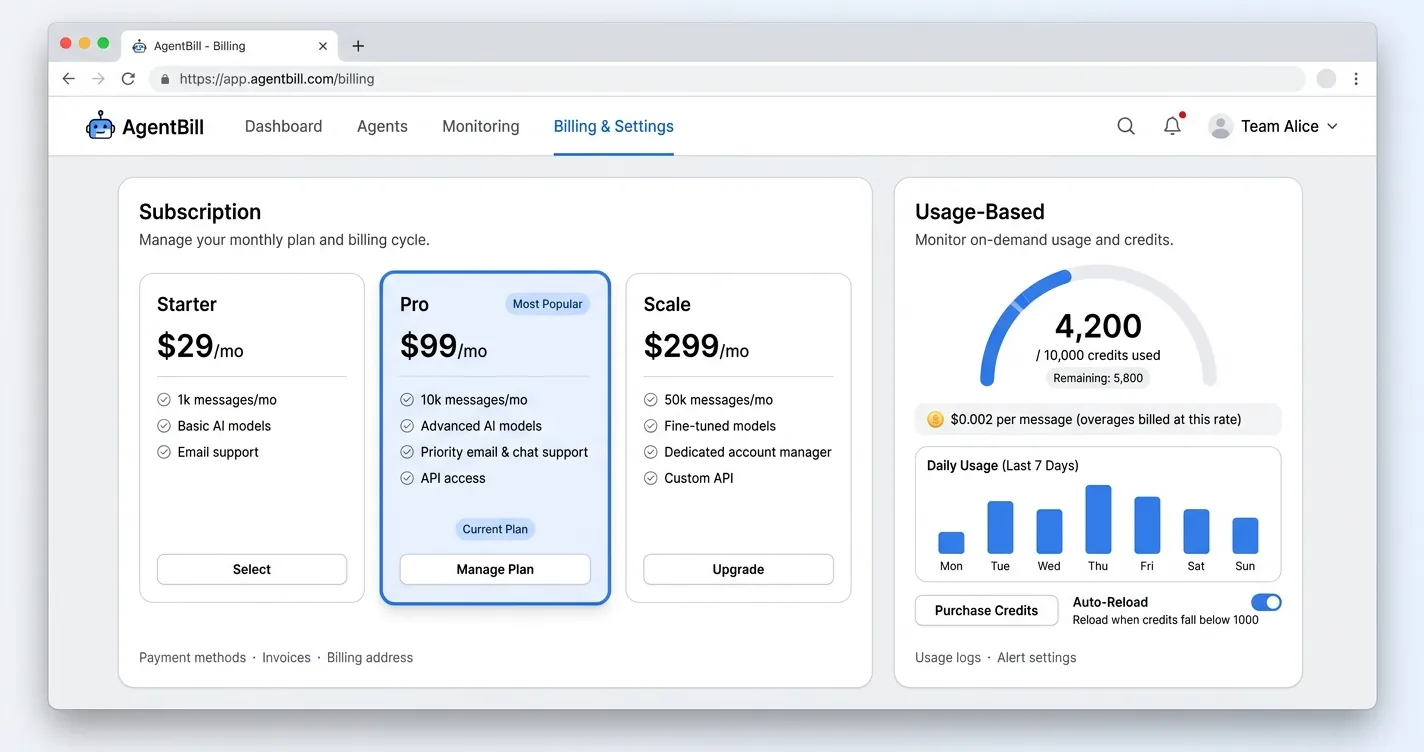
These are the two charge-your-own-user models, and they trade off in a clean way. Subscription, whether flat or tiered freemium, is still the most common AI pricing model. It gives users a predictable bill, but it leaves you eating the variable inference cost whenever someone runs the agent hard.
Usage-based and token metering flip that risk onto the user. You bill per message, token, or credit, which protects your margin, though raw token bills feel unpredictable and scary. That is why so many vendors wrap tokens in an abstracted credit layer, a category that grew from 35 to 79 companies in the PricingSaaS 500 in a single year, and it works well alongside revenue-per-message tracking.
Set expectations on the funnel too, since free-to-paid conversion in AI products stays weak. Freemium tends to convert around 3-4%, well below what credit-card trials pull, so a free tier is a reach channel more than a revenue one. Many teams end up blending both, which is the hybrid setup covered in the final section.
| Model | Who carries cost risk | Best for |
|---|---|---|
| Flat subscription | You (the vendor) | Predictable, light usage |
| Usage or credits | The user | Heavy or spiky workloads |
| Freemium | You, until upgrade | Top-of-funnel reach |
How Does Outcome-Based Pricing Work?
Outcome pricing charges only when the agent delivers a defined result. The numbers are concrete in 2026: Fin bills $0.99 per resolution, Zendesk runs $1.50 to $2.00 with a precise 72-hour quiet period before a resolution counts, and Salesforce Agentforce has cycled from $2 per conversation to Flex Credits to three coexisting models. Each one is trying to price the thing the buyer actually wants.
The appeal is straightforward. Value lines up closely, since the customer pays for wins and nothing else, which makes the ROI story easy to tell a finance team. That clean alignment is why outcome pricing gets so much attention as the future of agent billing.
The catch here comes down to definition, and that gets messy fast. You have to spell out what an outcome is with real rigor, or you will argue about every invoice. Measuring results reliably is genuinely hard, and adoption plans actually fell from 60% to 38% year over year, so this suits B2B agents with a crisp success event more than open-ended consumer chat.
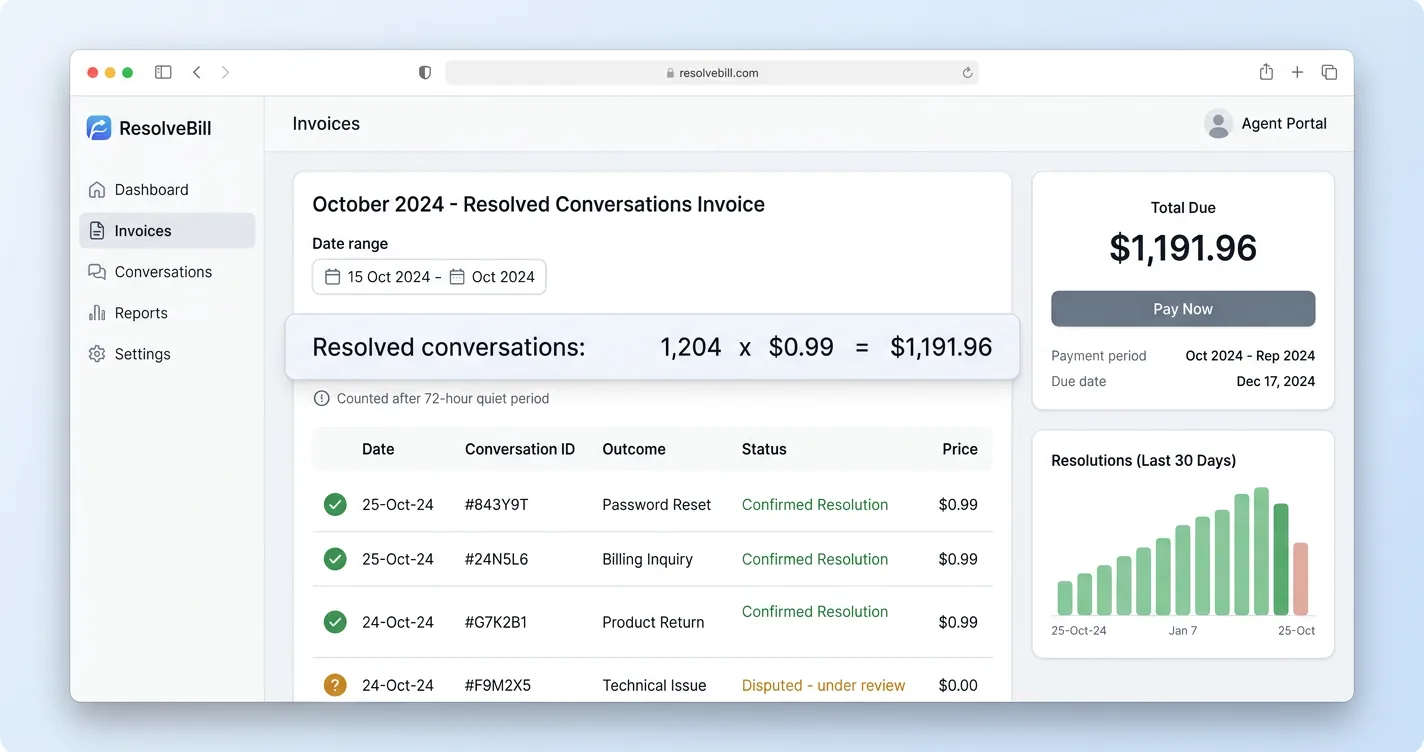
- Fin: $0.99 per resolved conversation
- Zendesk: $1.50 to $2.00, counted after a 72-hour quiet period
- Salesforce Agentforce: three pricing models running at once
- Reality check: adoption plans dropped from 60% to 38% year over year
What Is Agentic Commerce and Transaction-Fee Monetization?
Agentic commerce takes a cut of purchases the agent completes in-flow. This differs from affiliate referral in one key way, because here the agent runs the checkout instead of handing the reader off. Two big bets show the split: OpenAI’s Agentic Commerce Protocol charges merchants about 4% per sale, while Perplexity and PayPal launched with zero merchant fees to win supply.
None of this agentic-commerce infrastructure works without a trust layer underneath. Payment networks are racing to build it, with Visa’s Trusted Agent Protocol, Mastercard Agent Pay, and Google’s AP2 all aiming to make an agent-initiated payment traceable and safe. Without those rails, no merchant can verify who or what is really buying.
The transaction volume here is real, and it keeps growing fast. Salesforce reported that “AI and agents drove $67 billion in sales” over Cyber Week 2025, influencing 20 percent of all orders, and 2030 US estimates run anywhere from $190B to $1T depending on who is counting. The barrier is depth, since running checkout needs serious commerce and payments integration, so this model suits platforms far more than individual publishers.
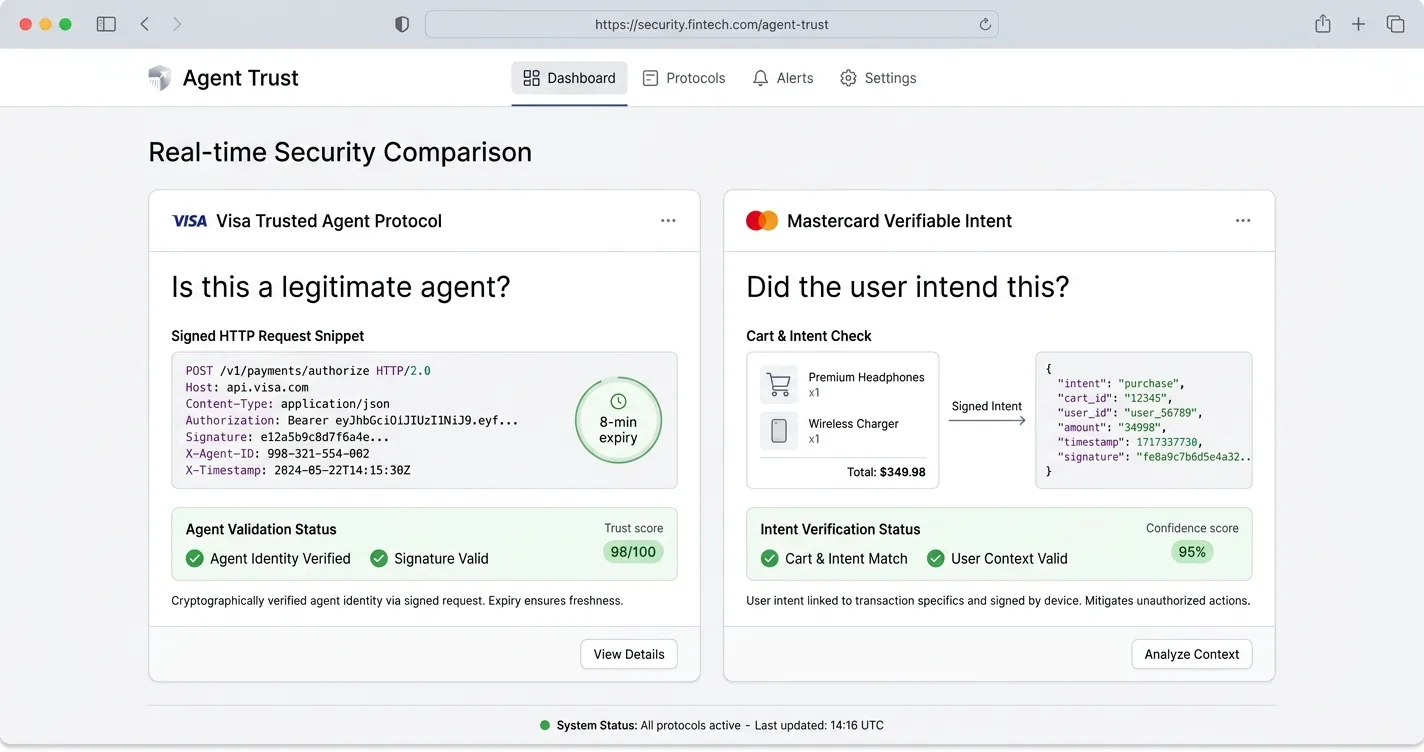
| Factor | Affiliate Referral | Agentic Commerce |
|---|---|---|
| Who runs checkout | The retailer | The agent |
| Integration effort | Low | Deep payments work |
| Best fit | Publishers, content sites | Platforms, marketplaces |
How Do You Choose the Right Monetization Model?
Every AI agent revenue model really comes down to one simple rule. Match the pricing metric to the unit of value your agent creates, whether that is a referral, an impression, access, consumption, an outcome, or a completed sale. Get that mapping right and pricing arguments mostly disappear, because the customer pays in proportion to what they got.
Hybrid pricing has quietly become the practical default. A subscription base plus usage or outcome overage balances predictable revenue against margin protection, which is why Bessemer’s pricing playbook frames hybrid models as the safe choice when future usage is hard to predict. Most mature agents end up here rather than committing to a single pure model.
A few screening questions get you most of the way. Is this consumer chat or a B2B agent, how large is the audience, what do your margins look like, and is there a crisp success event worth pricing against. For content sites and consumer-facing chat, low-friction in-line affiliate links are usually the fastest path to revenue, which is exactly where a widget like ChatAds fits.
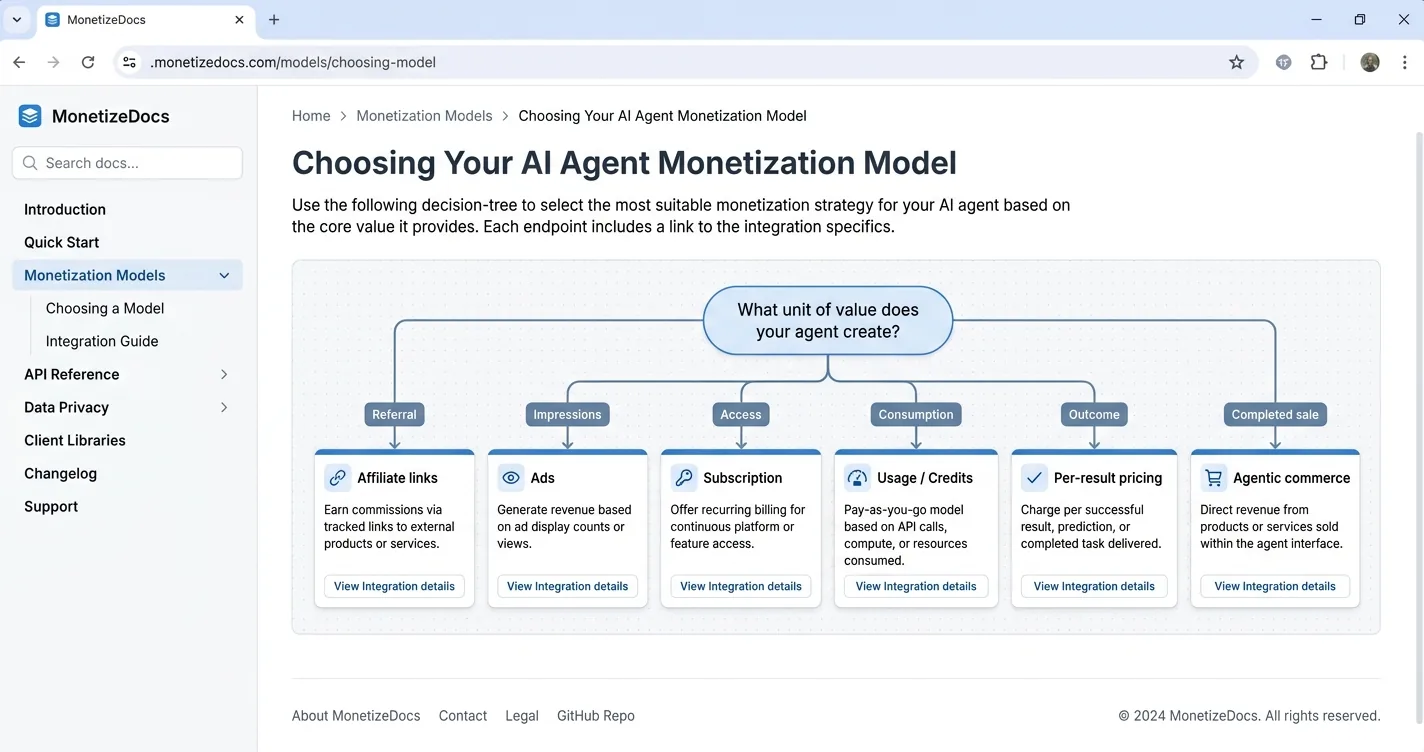
- Audience type: consumer chat leans affiliate or ads, B2B leans outcome or usage
- Scale: ad revenue needs volume, affiliate works at any size
- Margins: thin margins push you toward usage or credit metering
- Success event: a crisp, measurable win unlocks outcome pricing
Monetizing AI agents is really a matching problem, not a pricing trick. The margins are tighter than software people are used to, so the win comes from charging in the same unit the agent delivers value. Affiliate, ads, subscription, usage, outcome, and agentic commerce each fit a different shape of product, and most teams blend a couple rather than betting on one.
Start by naming your unit of value and your audience, then pick the model that tracks it. For blogs and consumer chat, in-line affiliate links are the lowest-friction way in, and a tool like ChatAds handles that step while you keep every commission. Choose the metric that matches, and the revenue follows the value instead of fighting it.
Frequently Asked Questions
What are the main AI agent monetization strategies in 2026?
The six core AI agent monetization strategies are affiliate and commission links, in-chat advertising, subscriptions, usage or credit-based billing, outcome-based pricing, and agentic commerce transaction fees. The right choice comes down to matching the pricing metric to the unit of value your agent actually creates.
How do you monetize an AI agent without charging your users?
The two someone-else-pays models are affiliate links and advertising, where a retailer or advertiser covers the cost instead of your reader. For most content sites, in-line affiliate links are the easiest path because they need no billing relationship, and a tool like ChatAds lets the publisher keep the full commission.
What is the best AI agent revenue model for a blog or content site?
For blogs and consumer chat, low-friction in-line affiliate links are usually the fastest way to monetize AI agents because they monetize buying intent already in the conversation. They require no checkout, no subscription, and no billing relationship with the reader.
How does outcome-based pricing for AI agents work?
Outcome-based pricing charges only when the agent delivers a defined result, such as Fin at $0.99 per resolution or Zendesk at $1.50 to $2.00 per resolved ticket. It aligns cost with value cleanly, but you must define the outcome rigorously, which is why it suits B2B agents with a crisp success event more than open-ended consumer chat.
Why is monetizing AI agents harder than traditional SaaS?
Every message an AI agent answers spends real inference tokens, so serving a heavy user genuinely costs more, which pushes gross margins to 50-60% versus 80-90% for classic SaaS. That is why flat per-seat pricing quietly loses money on power users and vendors hunt for a metric that tracks actual usage.
What is agentic commerce and how does it make money?
Agentic commerce is when the agent completes the checkout in-flow and takes a cut of the sale, such as OpenAI's Agentic Commerce Protocol charging merchants about 4% per transaction. It relies on payment-network trust layers like Visa's Trusted Agent Protocol and Mastercard Agent Pay, and its integration depth suits platforms far more than individual publishers.