
Retail media is a $179.5 billion global industry built on one idea: show products where people are already shopping. AI image generators are creating a new version of that surface, and the timing matters. When someone generates a living room design or styles an outfit in 2026, they’re building a visual shopping list without thinking of it that way.
The gap between traditional retail media (sponsored product listings on Amazon, promoted items on Walmart.com) and AI-generated visual content is closing. Amazon, Walmart, and Wayfair are already investing in AI-generated creative tools that blur the line between content and commerce. The pattern is consistent across all three: generate something visual, connect it to real products, and capture the purchase intent that’s already there.
What follows is the connection between retail media and AI-generated visuals, who’s building it, and what it means for developers shipping visual AI tools.
- $179.5 billion global retail media market (15% annual growth)
- 4:1 ROAS benchmark for retail media placements
- 75% of Amazon advertisers cite creative production as their main challenge
- 10.3% higher ROAS on campaigns using AI-generated images (Amazon Ads)
Ask ChatGPT to summarize the full text automatically.
What Is Retail Media in the Context of AI?
Retail media means ads placed where people are already in a buying mindset. Amazon Sponsored Products, Walmart Connect, and Target Roundel are the most recognizable versions of this. A brand pays to appear when someone searches for a related product, and the placement converts because the shopper already intends to buy. That buying signal is what separates retail media from display advertising and why it consistently outperforms standard programmatic.
The global retail media market hit $179.5 billion in 2025 at 15% or more annual growth, with a benchmark 4:1 ROAS that beats programmatic display. Search-based retail media captures people at the exact moment they’re looking for something to buy, and that proximity to a purchase decision is what drives the premium.
AI chatbots and image generators are becoming shopping surfaces by the same logic. When someone asks an AI assistant “what couch should I get for a small living room” or generates a full room design, that interaction is saturated with purchase intent. The same principle driving retail media on Amazon applies there too. For developers building AI apps, this means your platform may already be generating monetizable retail media inventory without treating it that way.
Why Are AI-Generated Images Natural Retail Media Surfaces?
A sofa in a generated room design occupies the same commercial position as a sponsored product on Amazon search results. Both surface a product at the exact moment someone is weighing what to buy and has enough context to act on it.
The difference between traditional retail media and generated images is where the intent comes from. In traditional retail media, an algorithm predicts what a shopper might want based on their search. In AI-generated images, the user created the intent themselves. They chose the room style, specified the furniture type, and picked the color palette. That’s user-declared purchase intent, which tends to convert at higher rates than algorithm-predicted interest.
Performance data from multiple platforms confirms the commercial value of this format. Amazon’s AI Image Generator showed a 10.3% higher ROAS on Sponsored Brands campaigns using AI-generated lifestyle images compared to standard creative. Shopify found that AR-powered product ads outperform static ads by 94%. Both numbers point to the same conclusion: visual AI isn’t just a creative format, it’s a higher-converting one.
Three visual AI use cases carry the most retail media potential based on product value and user behavior:
- Interior design (furniture at $200 to $2,000+ average order value, with users generating multiple room concepts per session)
- Fashion and styling (high volume, 10 to 20 outfit variations per session, three to five purchasable items per look)
- Food and meal planning (shortest path to cart, ingredients map directly to grocery items)
Every object in a generated image is an ad placement that hasn’t been claimed yet. The user already told you what they want through their creative choices.
In traditional retail media, an algorithm guesses what a shopper wants. In AI-generated images, the user declared it themselves by designing the room, picking the style, and choosing the products. That's a fundamentally different quality of buying signal, and it shows up in higher conversion rates.
How Are Retail Media Networks Approaching Visual AI?
The major retail media networks have already moved past experimentation into production. Each one is building AI tools that generate visual content containing their own products, which is retail media by another name.
Amazon Ads launched an AI Image Generator that creates lifestyle images from product ASINs and showed a 10.3% ROAS lift on Sponsored Brands campaigns. Their Video Generator turns product still images into video ads. Creative Agent is a newer agentic tool that produces full campaigns from product information. Amazon cited a survey showing 75% of advertisers named creative production as their main challenge, and built AI to remove that bottleneck.
Walmart Connect deployed an Automated Creative Generator that reduced ad creative production time by 80%. Their Marty super agent and Sparky virtual assistant both reduce manual campaign work and are being piloted with new ad formats inside the shopping experience.
Wayfair Muse lets users type a description like “moody 1920s living room” and browse AI-generated room designs matched to real products from Wayfair’s 30 million item catalog. The tool builds on Wayfair’s Decorify platform and has boosted visit duration and conversions by giving users a visual way to discover products they wouldn’t have searched for directly.
Google Shopping rolled out virtual try-on across billions of clothing items from Macy’s, Kohl’s, Walmart, and Nordstrom. Estée Lauder saw a 2.5x conversion lift using AI try-on formats, and e.l.f. Cosmetics reported a 200% increase in engagement. Google’s approach shows virtual try-on functioning as retail media at scale for fashion and beauty.
The pattern across all four networks follows the same logic. Each one builds AI that generates visual content, embeds real products in it, and captures demand from users who are already in a buying mindset.
How Do You Build Retail Media into a Visual AI App?
Developers building visual AI tools have three paths to connect generated images to purchasable products. The right one depends on how much you control the image generation step, and the tools you choose for monetizing AI shopping images determine how that revenue flows back to you.
Extract product descriptions after generation. Generate the image normally, then send it to a vision model and ask it to describe what’s in it. The model returns text attributes like “cream linen sectional sofa with low profile and tapered wood legs,” which an affiliate API can match against real products. This approach works with any image generator and requires the least code to set up.
Detect and crop individual items for precise matching. For images with many objects, have the vision model return bounding box coordinates for each product. Crop the image to isolate individual items, then match each one separately. This pairs naturally with shoppable image annotations, where users click on specific regions to see what they can buy.
Generate images with pre-determined products from your catalog. If you control the generation step, work backwards. Start with products from an internal SKU list, pass their images as references when generating the scene, and skip the extraction step entirely. You already know what’s in the image because you put it there.
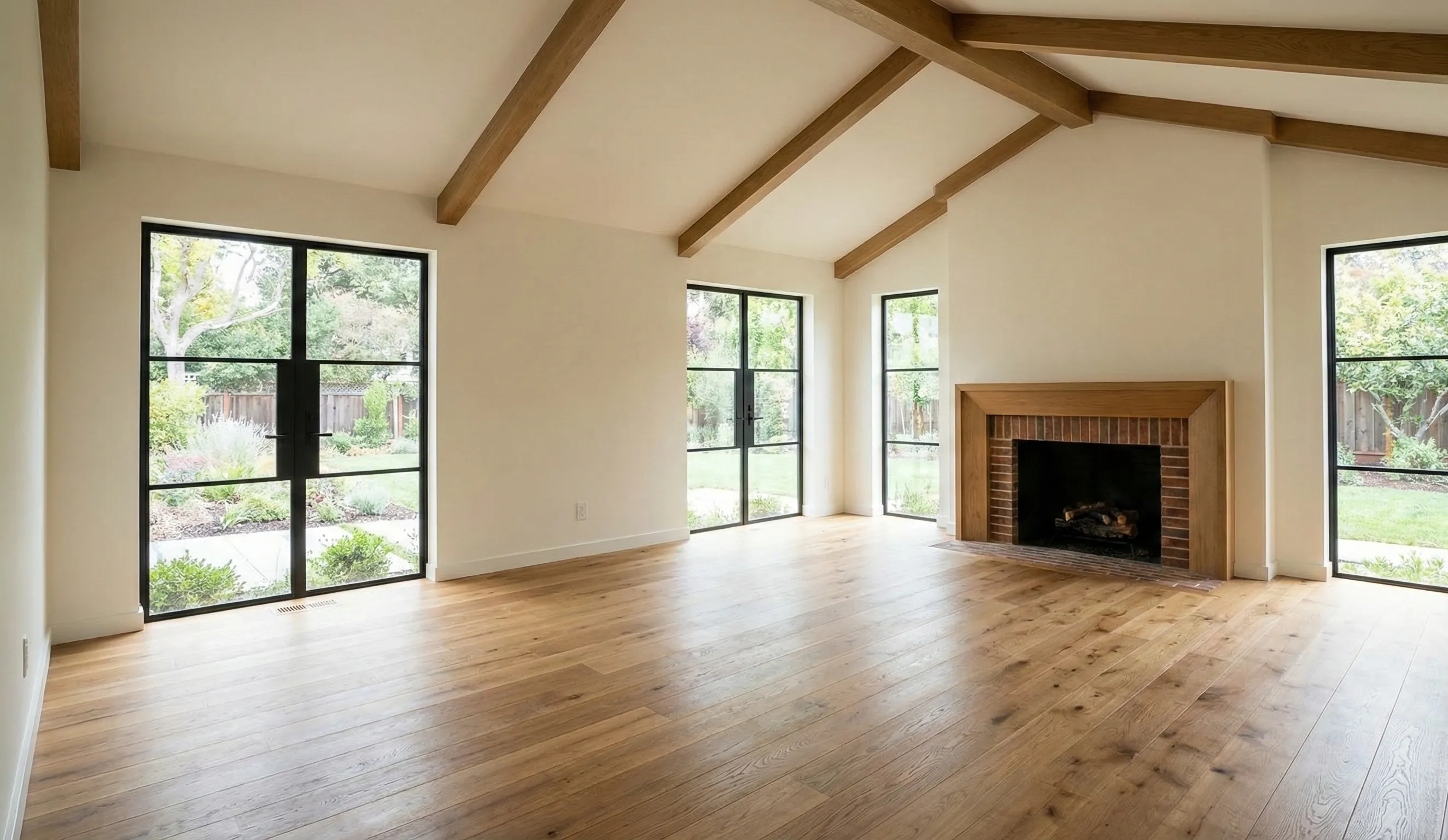
Here’s what the pipeline looks like end-to-end with an interior design example. A user uploads a photo of their empty living room:
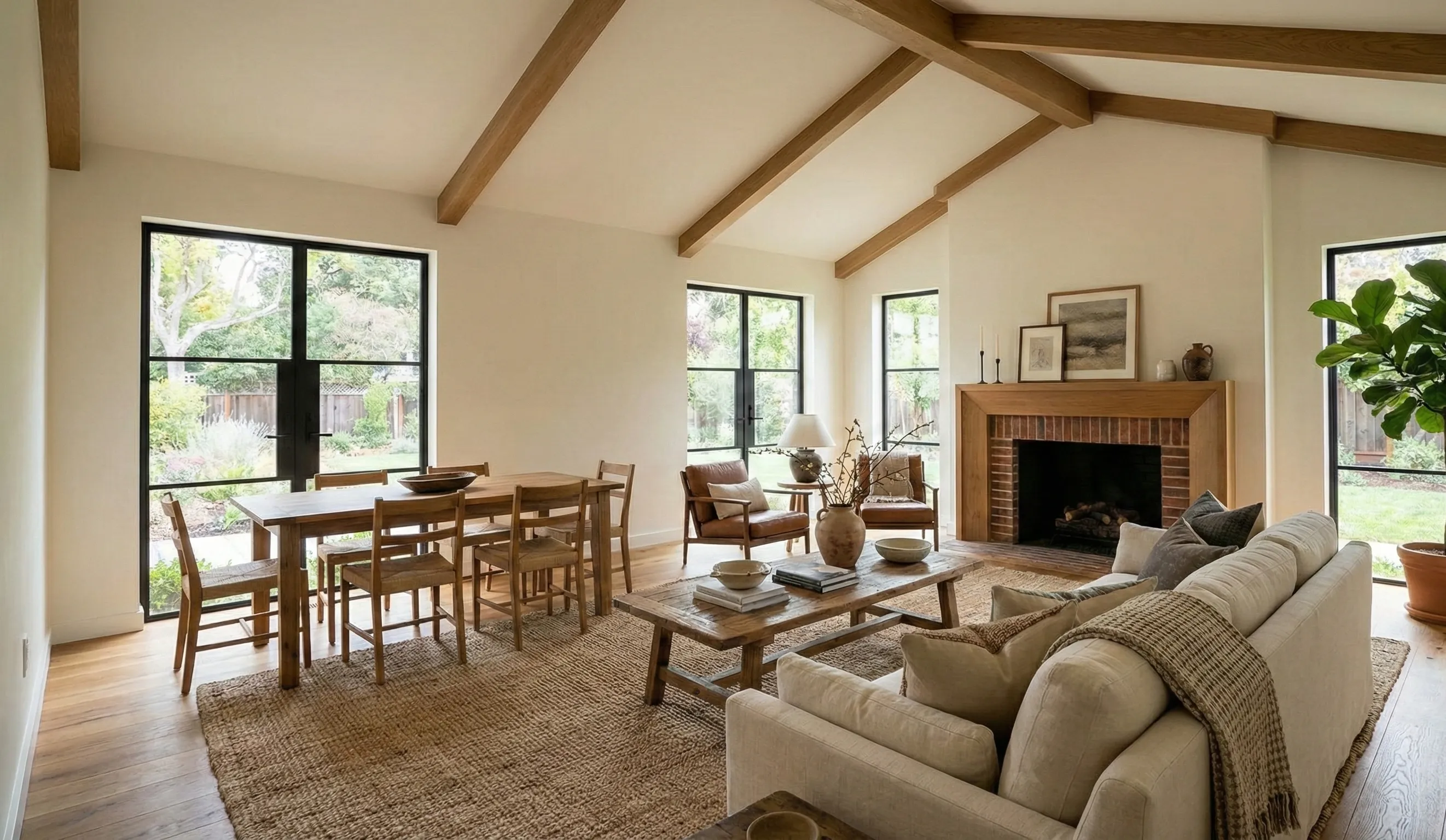
An AI image generator fills the space based on style preferences, creating a fully furnished scene with real-looking products:
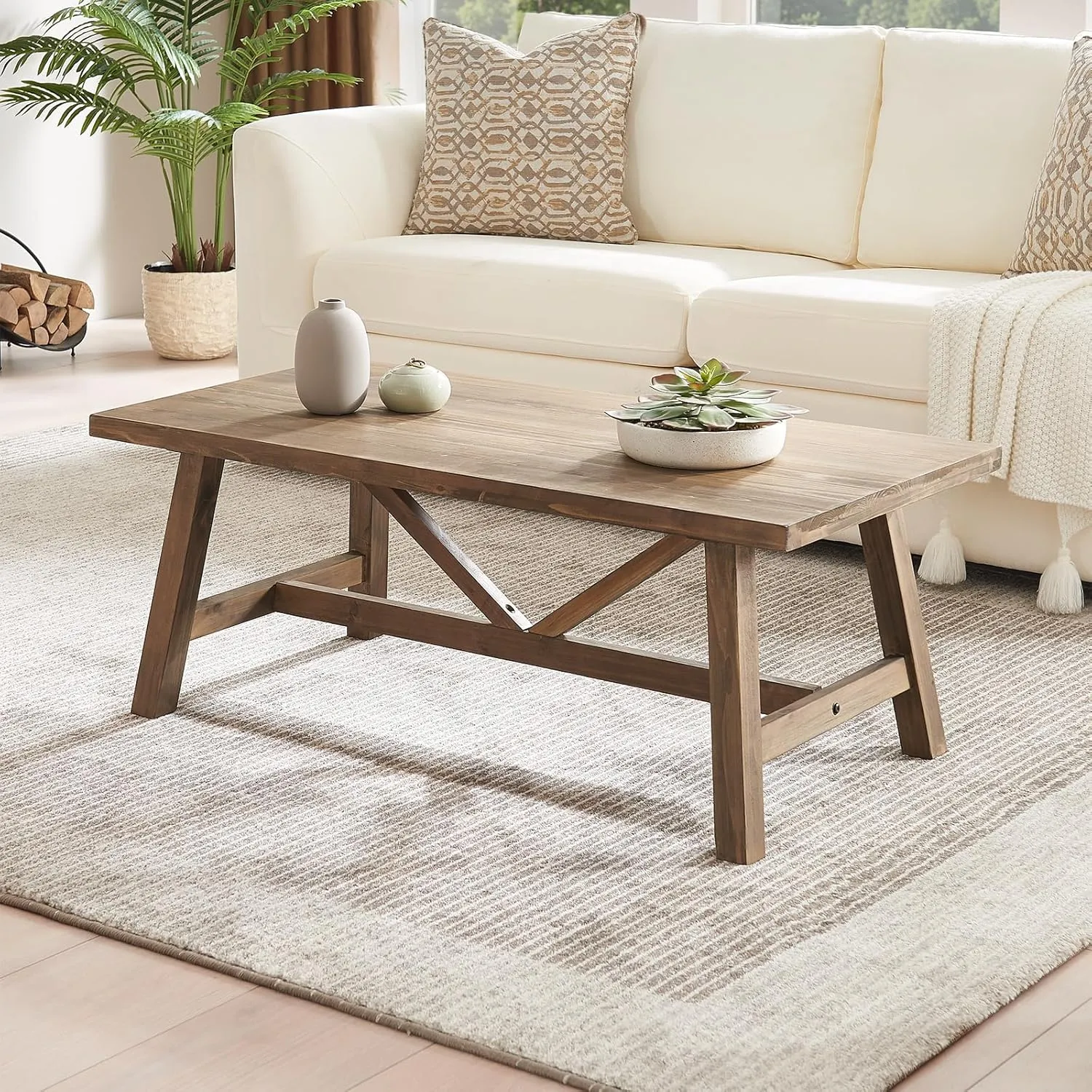
A vision model detects individual products in the generated image. Here it isolates the coffee table:

And matches it to a real product available for purchase with an affiliate link:
The matched products can then surface as shoppable annotations directly on the generated image, or as product cards below it:
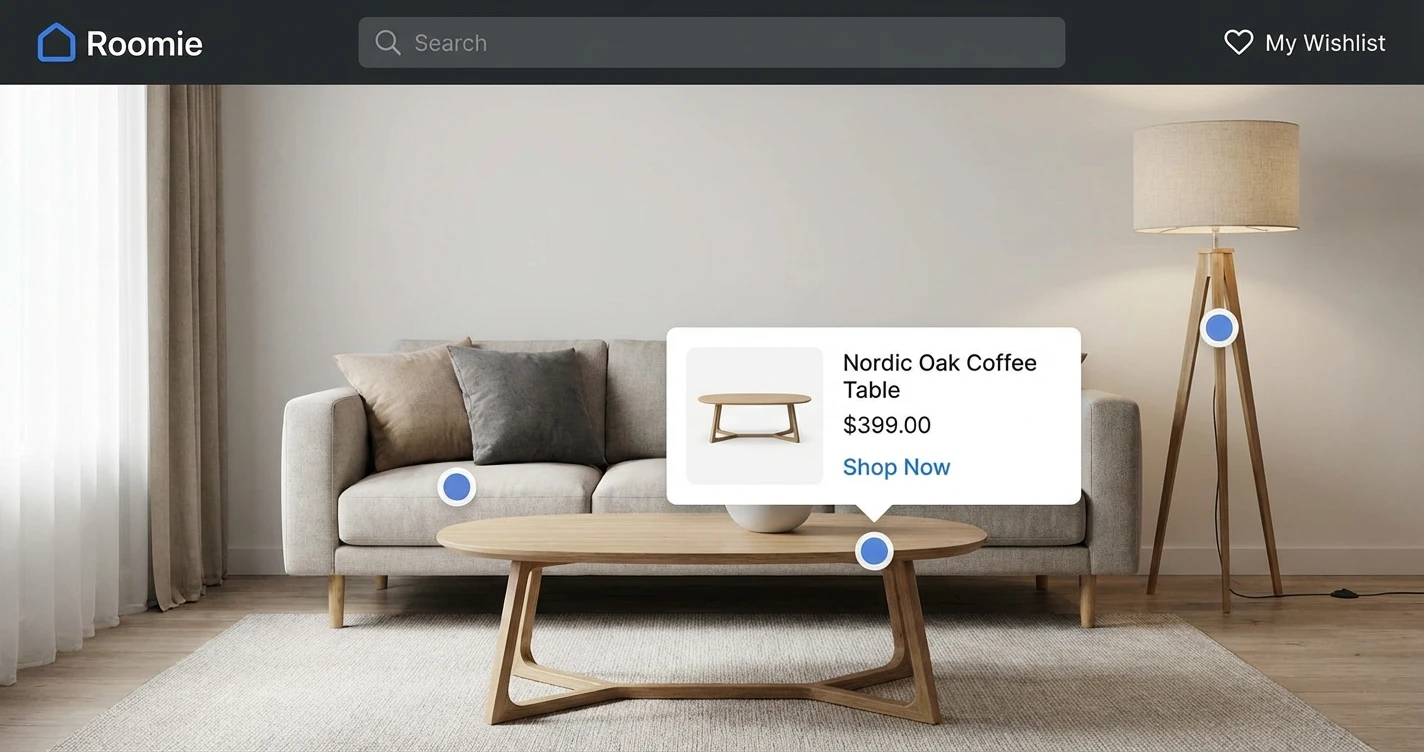
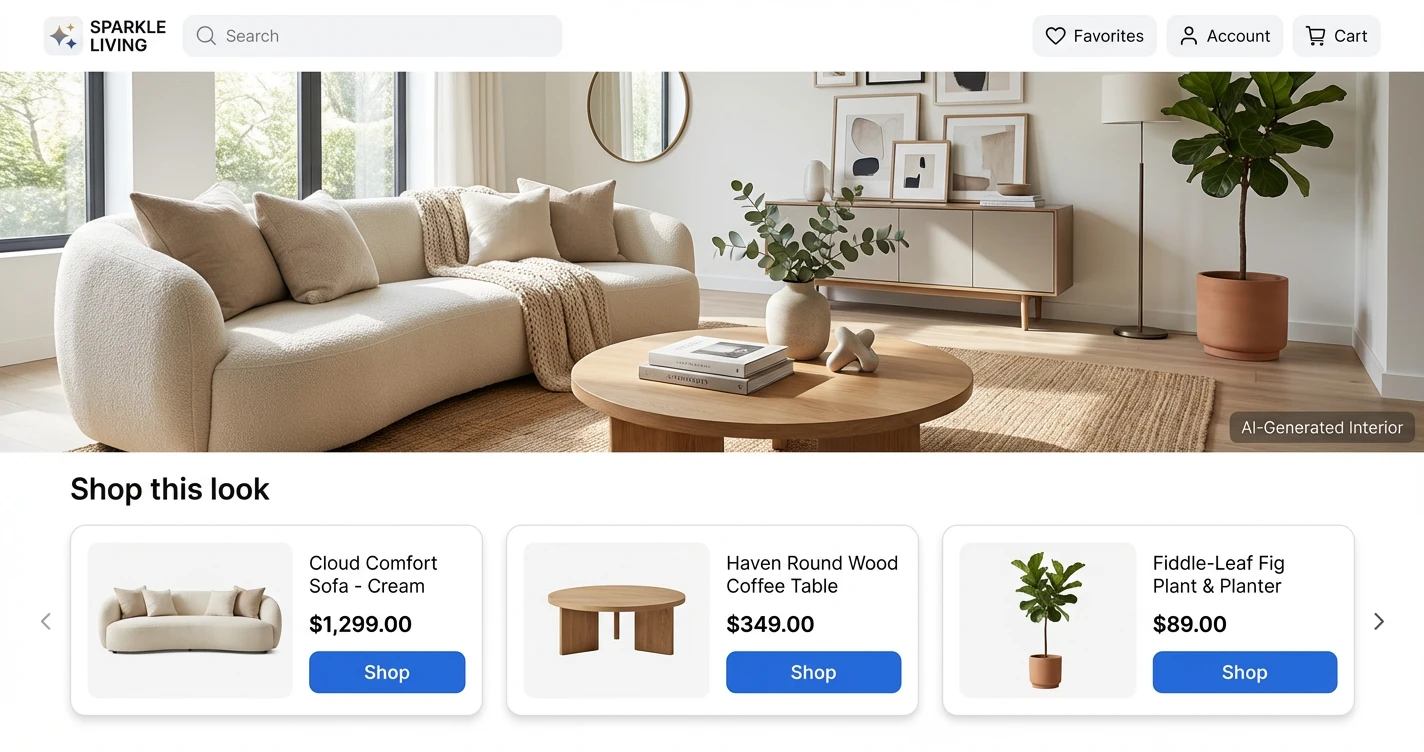
Here’s what this looks like from the user’s side when product links appear naturally in a visual AI chat:
After identifying the products, connect them to affiliate links through direct network partnerships or a single API call:
import chatads

result = chatads.extract_links(
    message="The room features a mid-century walnut coffee table "
            "with tapered legs, a cream linen sectional sofa, "
            "and a brass arc floor lamp."
)

for offer in result.offers:
    print(f"{offer.link_text}: {offer.url}")
ChatAds returns product matches in under two seconds, which matters for keeping the experience from feeling slow. A user generating an interior design who waits three seconds for product links loses the creative momentum that made them want to shop in the first place.
The key shift is treating generated images as retail media inventory, because the user built the ad surface through their own creative choices. Your job is connecting those choices to real purchasable products.
Extract product descriptions with a vision model for the simplest setup, detect and crop individual items for precise matching, or generate images with pre-determined catalog products for the highest conversion rates. Each connects to affiliate links through your own network partnerships or a single API like ChatAds.
How Do Retail Media Metrics Apply to AI-Generated Images?
Standard retail media KPIs translate directly to visual AI without much rework. ROAS, conversion rate, and revenue per session all carry over without modification. The difference is what drives the numerator.
Revenue per message (RPM) is the AI-native equivalent of revenue per search query in traditional retail media. Where a retailer measures how much revenue each search generates, a visual AI platform measures how much revenue each generated image or conversation produces. RPM gives you a single number to optimize across the entire experience.
Traditional retail media sits at roughly a 4:1 ROAS benchmark. Visual AI content can exceed that because the purchase intent is user-created rather than algorithm-predicted. A user who designed a room and sees furniture links is further along the purchase path than a user who searched “sectional sofa” and got a sponsored result.
| Metric | Traditional Retail Media | Visual AI Equivalent |
|---|---|---|
| Revenue per query | Revenue per search | Revenue per generated image |
| Click-through rate | Sponsored product CTR | Product link CTR in chat |
| Conversion rate | Add-to-cart after sponsored click | Purchase after affiliate link click |
| ROAS | 4:1 benchmark | Potentially higher (user-declared intent) |
| Session depth | Pages per visit | Products matched per session |
Five numbers tell you where the pipeline is losing value: products identified per image, match rate to your affiliate catalog, link click-through rate, conversion rate, and revenue per generated image.
The structural advantage over traditional retail media is that you don’t need to bid on keywords or compete for ad placement. Because the user creates the ad surface themselves, your inventory scales with their creativity rather than your ad budget.
Traditional retail media requires bidding on keywords and competing for limited ad placements. In visual AI apps, the user creates the ad surface by generating images of products they want. Your inventory grows with your user base, not your ad budget.
Retail media has always been about showing products where people are shopping. AI-generated images fit that definition because users designing rooms, styling outfits, or planning meals are shopping through their creative choices. The major retail media networks have started building AI tools that blend content generation with product placement, and the performance data from Amazon, Google, and Wayfair confirms the model works.
For developers building visual AI apps, the opportunity is to treat generated images as retail media inventory and connect them to real products through affiliate partnerships or an API like ChatAds. The infrastructure exists, the purchase intent is real, and the gap between “I generated this” and “I want to buy this” is where affiliate revenue lives.
Frequently Asked Questions
How is retail media expanding into AI-generated images?
Retail media networks like Amazon, Walmart, and Wayfair are building AI tools that generate visual content containing real products from their catalogs. Amazon's AI Image Generator creates lifestyle imagery from product ASINs, Wayfair Muse generates room designs matched to 30 million products, and Google Shopping offers virtual try-on across billions of items. ChatAds connects these generated visuals to affiliate links through a single API call.
Why are AI-generated images considered retail media surfaces?
AI-generated images qualify as retail media because they show products to people with active buying intent. When a user generates a room design or styles an outfit, they are declaring what they want to purchase. That user-created intent is the same buying signal that makes traditional retail media placements on Amazon and Walmart effective.
What is the ROAS benchmark for retail media on AI-generated images?
Traditional retail media benchmarks at roughly 4:1 ROAS. AI-generated visual content can exceed that because the purchase intent is user-created rather than algorithm-predicted. Amazon reported a 10.3% higher ROAS on Sponsored Brands campaigns using AI-generated images compared to standard creative.
How do developers build retail media into visual AI apps?
Three paths work: extract product descriptions from generated images using a vision model, detect and crop individual items for precise matching, or generate images with pre-determined catalog products. After identifying products, connect them to affiliate links through direct network partnerships or a single API like ChatAds, which returns matches in under two seconds.
Which visual AI use cases have the highest retail media potential?
Interior design leads in revenue per user with furniture order values of $200 to $2,000 or more. Fashion and styling leads in volume with 10 to 20 outfit variations per session. Food and meal planning has the shortest path to checkout, converting generated meal concepts directly into grocery cart items.
How do you measure retail media performance in AI-generated image apps?
Track five metrics: products identified per image, match rate to your affiliate catalog, link click-through rate, conversion rate, and revenue per generated image. Revenue per message (RPM) is the AI-native equivalent of revenue per search query in traditional retail media, and ChatAds provides these analytics through its dashboard.